Metamorphosis Of Dreams
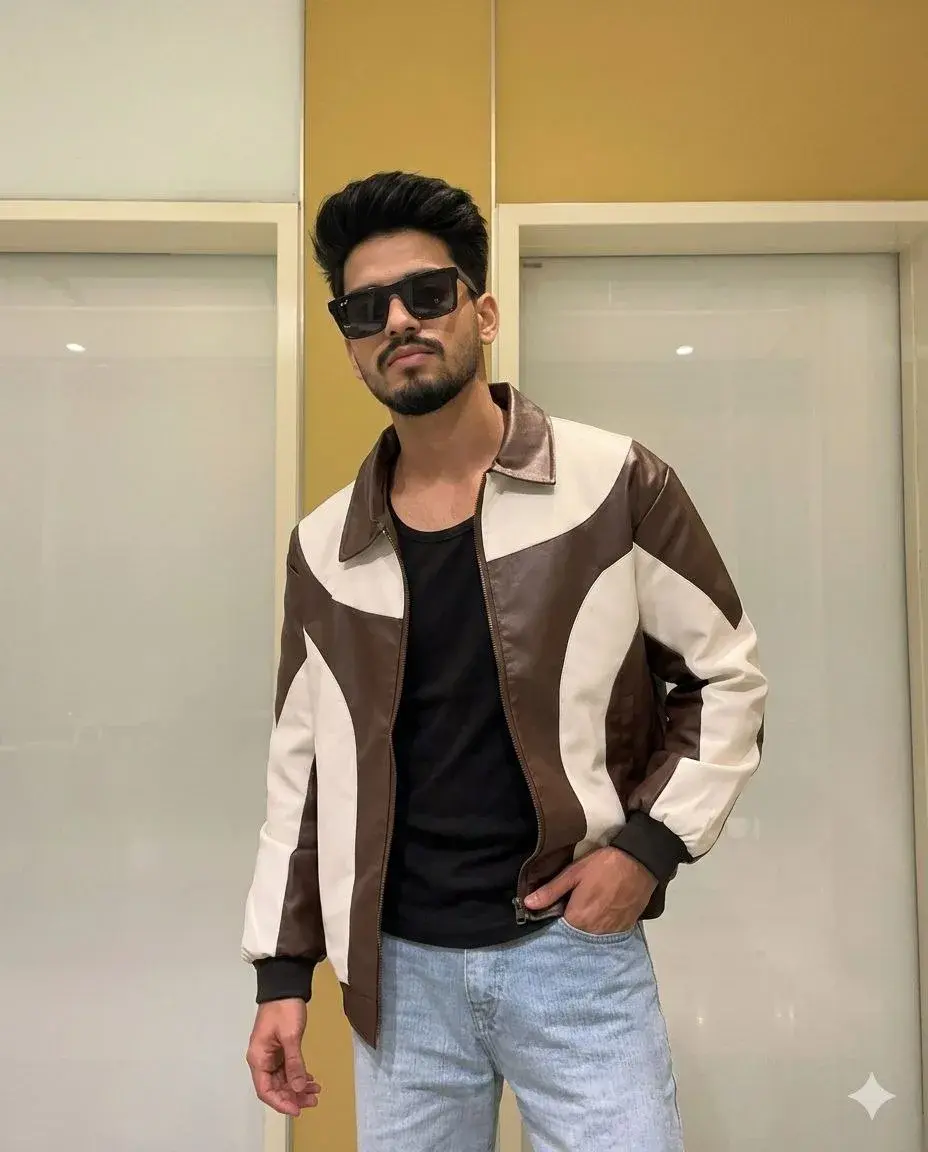
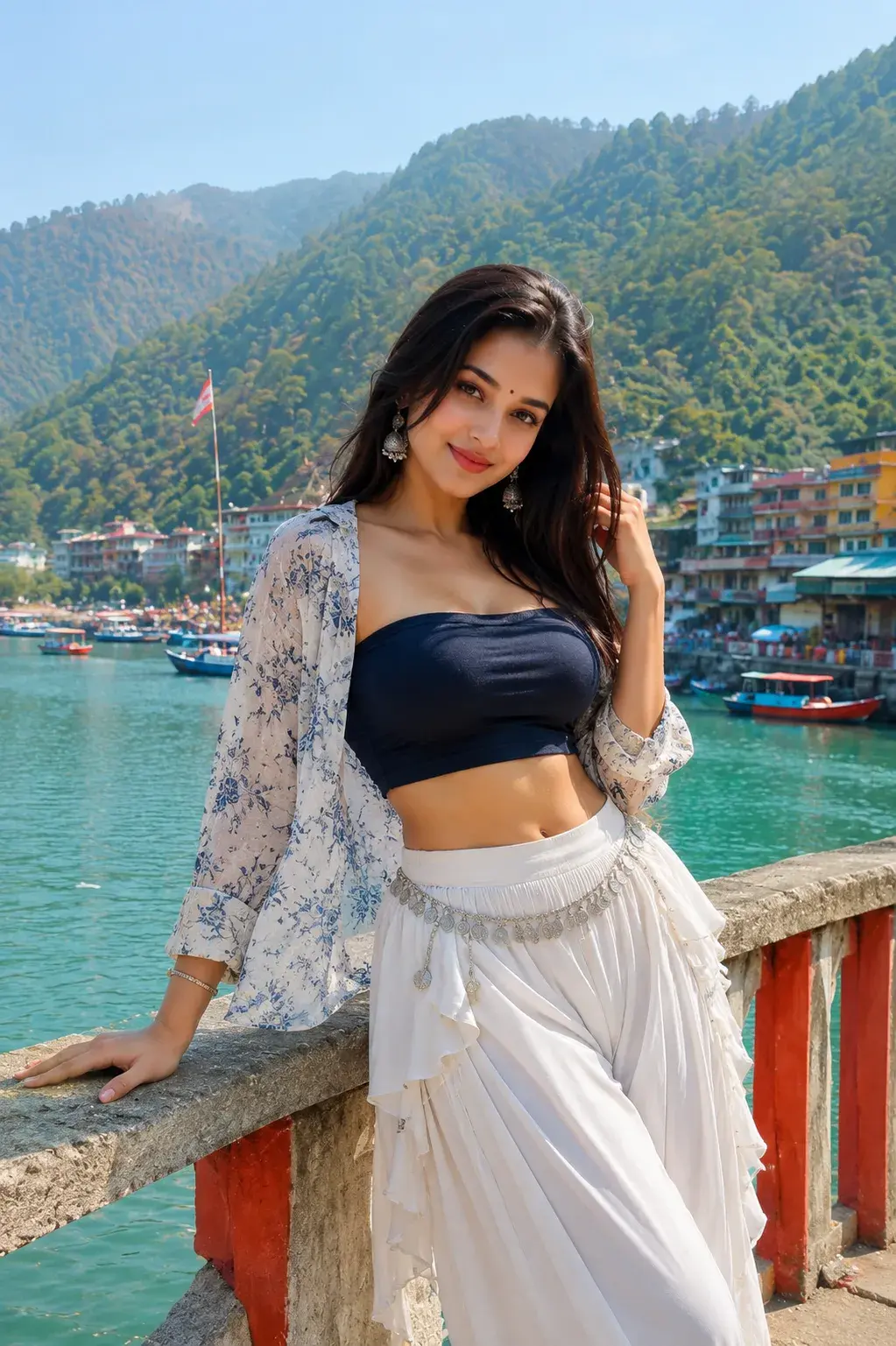
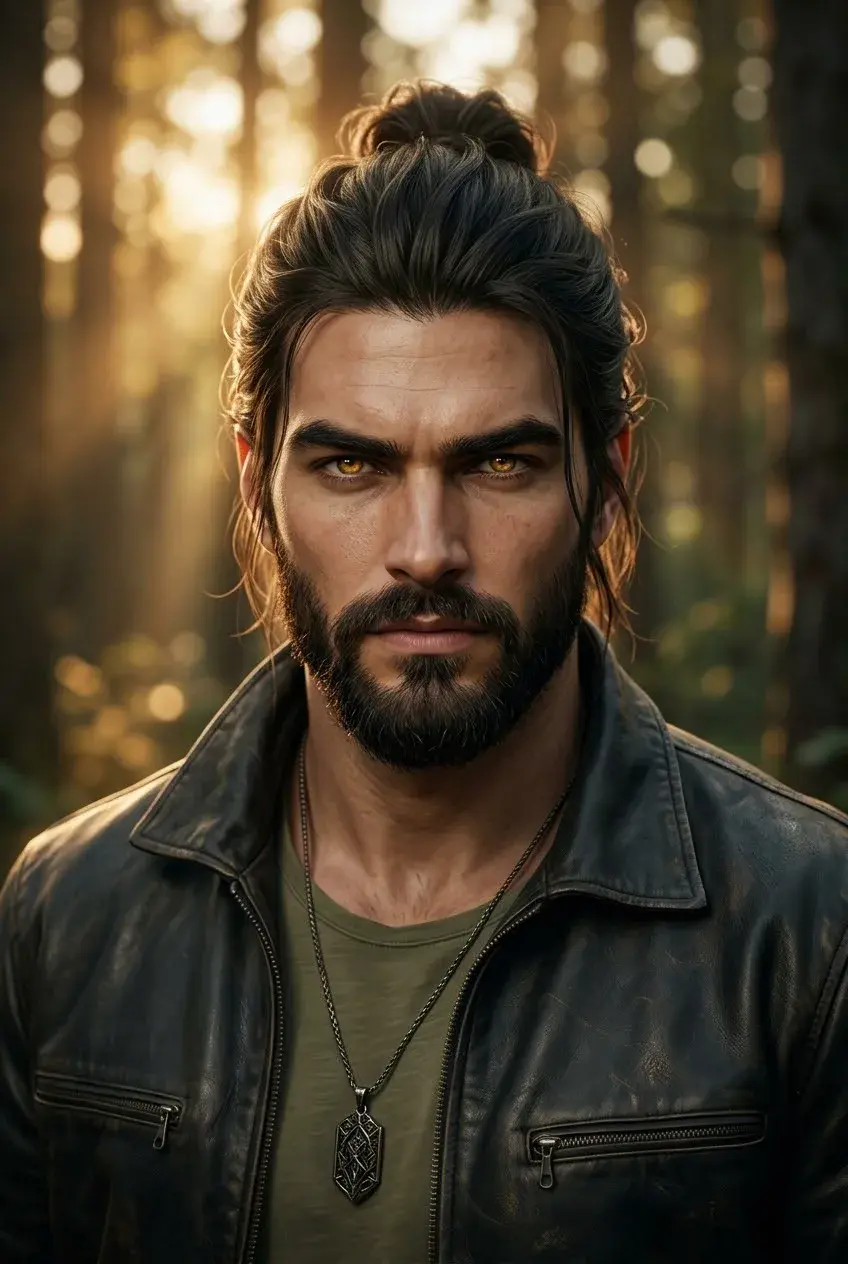
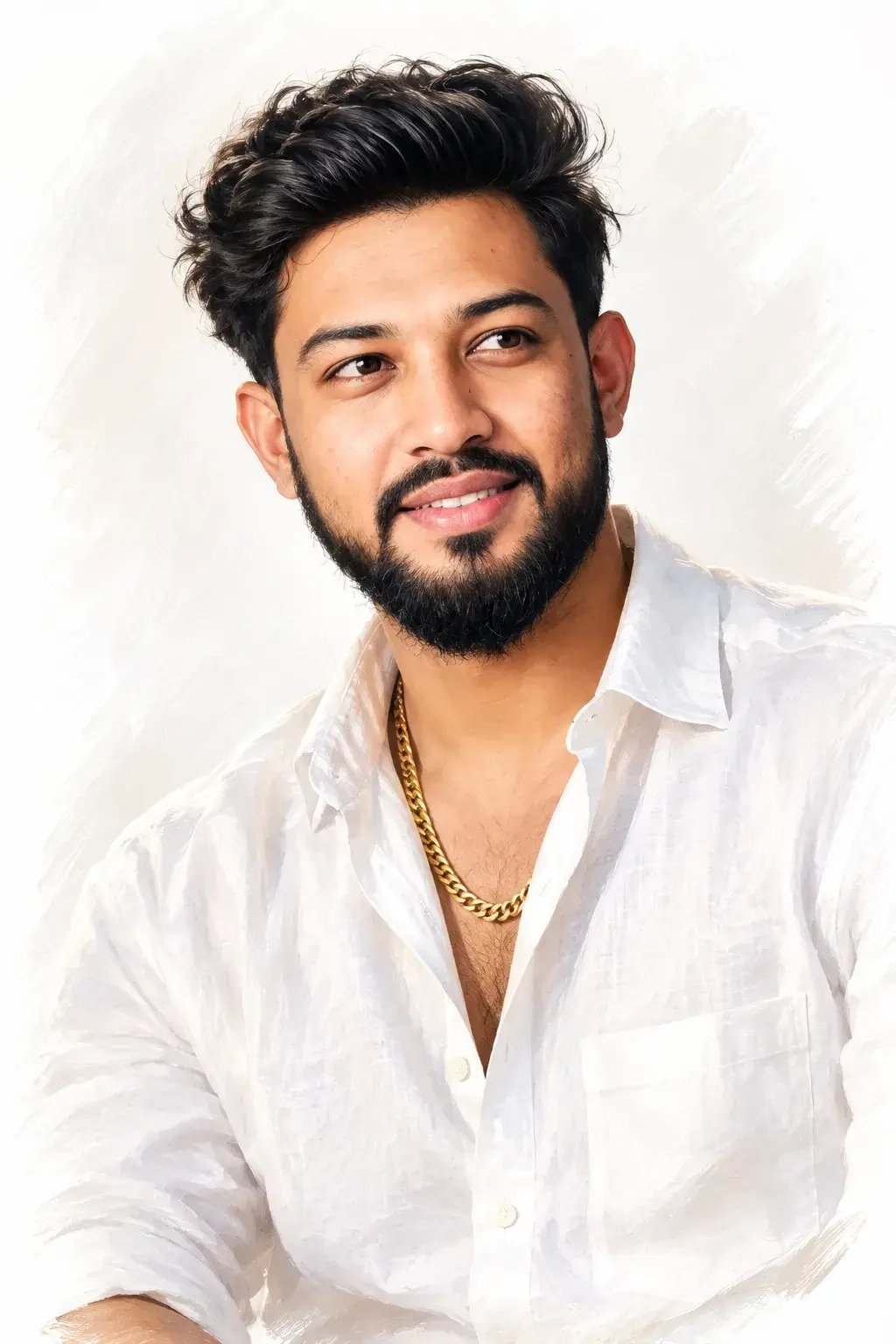
Use the uploaded user photo as the ONLY and STRICT source of the human subject’s identity. Preserve the exact recognizable person with maximum fidelity: facial structure, proportions, face shape, forehead, eyebrows, eyes, nose, lips, mouth structure, jawline, cheekbones, chin, skin tone, natural skin texture, hairline, hairstyle, hair characteristics, facial hair if present, age, and every distinctive facial feature. DO NOT replace the user with the person in the reference image. DO NOT copy the reference person’s identity. DO NOT beautify, redesign, slim, widen, age, de-age, masculinize, feminize, or reinterpret the user’s face. The final subject must unmistakably remain the person from the uploaded photo.
The reference image controls everything except identity: recreate its composition, pose, head position, facial expression, gaze, emotional atmosphere, clothing, butterflies, environment, lighting, colors, textures, camera perspective, framing, and artistic treatment.
Create a vertical 9:16 surreal fine-art editorial portrait. The subject is centered and shown from approximately the shoulders/upper torso upward. The body faces generally forward while the head is tilted noticeably backward and slightly upward. The chin is lifted, the neck is elongated and clearly visible, and the face is presented from a slightly low, frontal camera perspective. The composition should closely match the reference: the dark upper torso occupies the bottom section, the face and neck dominate the middle, and a huge organic butterfly-and-texture halo surrounds the head and expands outward into the upper half.
Expression and emotion must come from the reference, NOT the user photo. Reconstruct the reference’s quiet, mysterious, vulnerable, contemplative, dreamlike emotional state. The lips should be naturally relaxed and slightly parted, with no smile. Maintain the reference’s lifted head and upward/away visual direction. The eyes should follow the reference’s upward-oriented gaze rather than the gaze in the user’s source photo. If butterflies partially obscure the eyes or face, preserve that artistic obstruction. Do not force direct eye contact or a conventional portrait expression.
Surround the entire crown, sides of the head, and portions of the face with a dense surreal swarm of butterflies mixed with fragmented painterly textures. The butterflies must look physically integrated into the portrait rather than pasted on. Some overlap the face and hair, some appear embedded within the surrounding texture, and others dissolve into paint, dust, charcoal, ink, and abstract fragments. Keep enough of the face visible to preserve the user’s recognizable identity.
Include many realistic butterflies of different sizes, wing patterns, orientations, and species-like appearances. Use prominent turquoise, teal, cyan, orange-red, yellow, cream-white, brown, black, and muted multicolor butterflies. Place a large vivid orange-red butterfly toward the lower-left side of the face, a pale cream/white butterfly near the right side of the face, turquoise butterflies around the upper-left and upper-right areas, and dark butterflies around the crown. Add smaller yellow, orange, brown, blue, and black butterflies throughout the dense central cluster. A few butterflies should fly away from the main swarm into the open background, especially toward the upper-left and upper-right, creating natural depth and movement. Preserve an organic arrangement similar to the reference rather than creating a symmetrical decorative pattern.
Blend the butterfly swarm into distressed mixed-media artwork: torn-paper impressions, rough brush strokes, charcoal marks, ink splashes, faded pigment, weathered photographic fragments, scratches, dust, granular texture, botanical-like details, and fragmented paint. Butterfly wings and surrounding textures should partially dissolve into each other, creating a sophisticated surreal collage/double-exposure effect. Some areas should be sharply photographic while others become painterly and abstract.
The background should recreate the reference’s aged ivory/off-white plaster or canvas wall, softly tinted with warm cream, pale beige, and subtle gray-green tones. Add faded stains, worn plaster, scratches, cloudy brush marks, subtle cracks, weathering, peeling-paint impressions, and irregular distressed marks around the edges. Keep the central upper background relatively pale and uncluttered so the butterfly halo remains the dominant focal point. Toward the lower edges, introduce darker gray-green staining and painterly buildup. Add subtle black/gray vertical paint drips descending from the butterfly cluster and around the lower portrait.
The subject wears a simple matte black garment covering the shoulders and upper torso, forming a strong dark foundation beneath the luminous face and colorful butterflies. Keep the clothing minimal and understated, without logos or unnecessary accessories. Do not introduce unrelated props.
Lighting should be soft, diffused, atmospheric, and naturalistic, illuminating the face gently while allowing the lower clothing and portions of the background to become deep and moody. Preserve realistic skin highlights, subtle shadows, pores, and natural skin texture. Avoid plastic skin, excessive smoothing, beauty-filter effects, or artificial glossy lighting.
Use a slightly low camera position with a natural portrait perspective equivalent to approximately 50–85mm full-frame. Avoid wide-angle distortion. The camera is relatively close, framing the head and upper torso prominently while retaining enough surrounding space for the butterfly halo. Maintain realistic facial proportions, depth, and perspective. Butterfly elements should have varied depth: some sharply detailed, some slightly softened, producing layered dimensionality.
Overall style: ultra-realistic surreal fine-art photography fused with contemporary mixed-media painting, analog collage, distressed editorial artwork, dreamlike photographic manipulation, and museum-quality conceptual portraiture. Keep the face and visible skin photorealistic and anatomically accurate, while the surrounding butterflies and textures may have tactile painterly qualities. Add subtle film grain, analog noise, faded pigment, soft halation, archival-paper texture, and imperfect tonal transitions. The finished image should feel like a sophisticated contemporary surrealist artwork rather than a generic AI portrait.
Color palette: aged ivory, warm cream, pale beige, muted gray-green, charcoal black, earthy brown, faded orange, vivid orange-red, turquoise, teal, pale cyan, yellow, cream-white, and subtle desaturated greens. Keep most colors slightly weathered and analog, with selected butterflies providing strong visual accents.
Maintain perfect natural anatomy: realistic eyes, nose, lips, jaw, neck, shoulders, and facial proportions based exclusively on the uploaded user photo. Avoid distorted facial features, duplicate features, malformed eyes, unnatural lips, warped neck anatomy, extra limbs, melted textures, excessive blur, or obvious AI artifacts.
FINAL PRIORITY: 1) Uploaded user photo = exact identity. 2) Reference image = expression, emotion, gaze, head pose. 3) Reference image = body pose and composition. 4) Reference image = clothing, butterflies, environment, and objects. 5) Reference image = lighting, camera, colors, and artistic style. The final image must look unmistakably like the uploaded user while recreating the reference image’s surreal butterfly portrait, emotional expression, upward head position, composition, atmosphere, and visual treatment with maximum fidelity.











%22%2F%3E%3Cpath%20d%3D%22M24%2011L34%2015V23C34%2029.5%2029.7%2035.3%2024%2037C18.3%2035.3%2014%2029.5%2014%2023V15L24%2011Z%22%20fill%3D%22%23FFFFFF%22%20fill-opacity%3D%220.15%22%20stroke%3D%22%23FFFFFF%22%20stroke-width%3D%221.8%22%20stroke-linejoin%3D%22round%22%2F%3E%3Cpath%20d%3D%22M19%2024L22.5%2027.5L29%2020.5%22%20stroke%3D%22%23FFFFFF%22%20stroke-width%3D%222.2%22%20stroke-linecap%3D%22round%22%20stroke-linejoin%3D%22round%22%2F%3E%3Cdefs%3E%3ClinearGradient%20id%3D%22bg_shield%22%20x1%3D%220%22%20y1%3D%220%22%20x2%3D%2248%22%20y2%3D%2248%22%20gradientUnits%3D%22userSpaceOnUse%22%3E%3Cstop%20stop-color%3D%22%23059669%22%2F%3E%3Cstop%20offset%3D%221%22%20stop-color%3D%22%2310B981%22%2F%3E%3C%2FlinearGradient%3E%3C%2Fdefs%3E%3C%2Fsvg%3E "Vivek Sharma portrait")