Blue Is The Statement
Use the user-uploaded photo as the ONLY source of the main subject’s identity and facial appearance. Preserve the person’s exact recognizable identity without replacing, redesigning, beautifying, feminizing, masculinizing, aging, de-aging, or otherwise altering their natural appearance. Preserve the exact facial structure and proportions, face shape, forehead, hairline, eyebrows, eyes, natural eye shape, nose, lips, jawline, cheekbones, chin, ears, skin tone, skin texture, and distinctive facial characteristics from the uploaded photo. The final subject must unmistakably be the person from the uploaded photo. Do not copy the identity of the woman in the reference image. If the uploaded person is male, keep the person male; if female, keep the person female; never change the user’s gender or identity to match the reference.
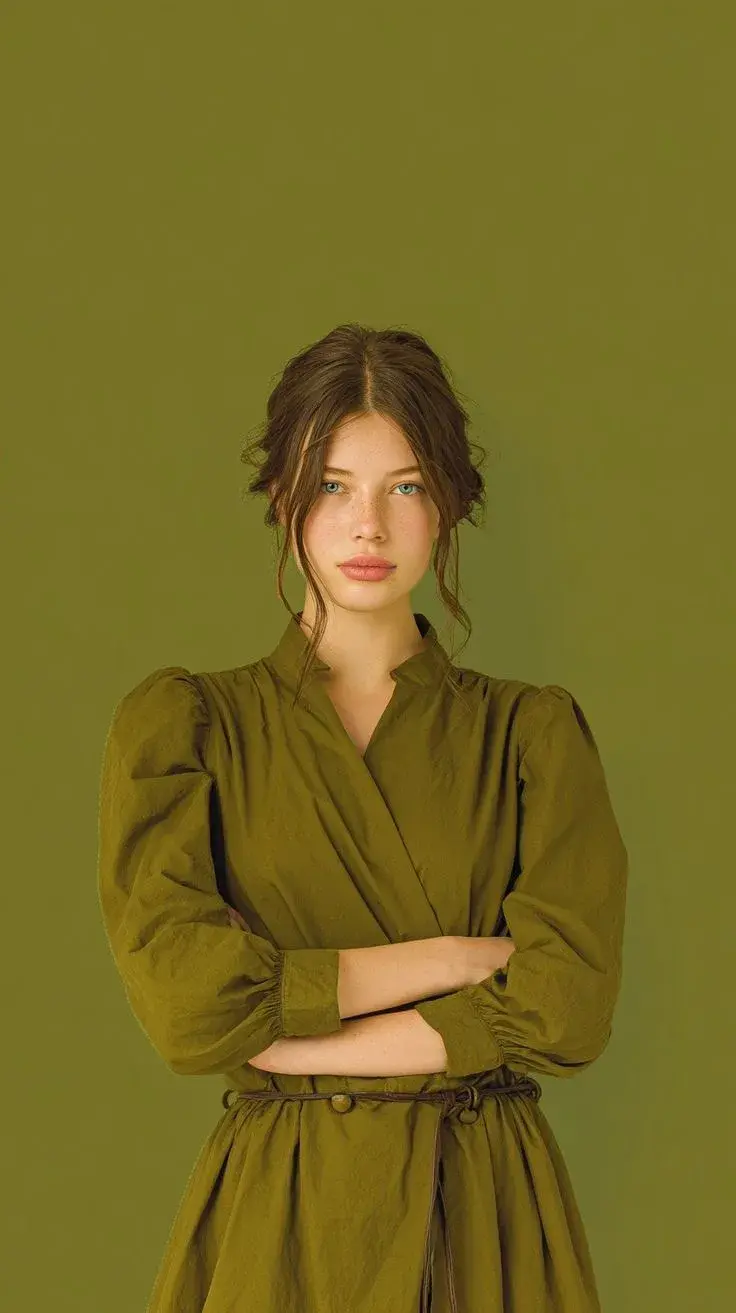
Recreate the uploaded reference image as an ultra-realistic premium contemporary fashion magazine cover, matching its composition, pose, styling, visual hierarchy, atmosphere, camera perspective, lighting, colors, and editorial aesthetic as closely as possible.
SUBJECT, POSE & EXPRESSION
Place the user's identity into the exact central fashion-editorial pose shown in the reference: a medium-full/three-quarter fashion portrait, with the body positioned slightly diagonally and naturally facing toward the camera while the upper torso has a subtle angled orientation. The subject stands upright with relaxed but sophisticated posture. Shoulders are slightly asymmetrical and naturally lowered. The head is tilted subtly upward and turned slightly toward the subject’s left, creating the same elegant three-quarter facial presentation as the reference.
Reconstruct the reference image’s facial expression independently of the uploaded photo. The uploaded photo supplies identity only; do not copy its expression, smile, gaze, or head position. Give the user’s face the same calm, confident, sophisticated, slightly detached editorial expression seen in the reference: relaxed facial muscles, composed neutral mouth with subtly parted lips, no smile, understated confidence, and a cool, contemplative fashion-editorial mood.
Match the reference gaze precisely: the eyes look slightly toward the viewer’s right / off-camera, rather than directly into the lens. Maintain the same eye openness, eyelid position, eyebrow relaxation, direction of attention, and subtle aloof expression. The head and eyes should maintain the same relationship shown in the reference.
HAIR
Recreate the reference hairstyle as a styling element while retaining the user’s natural identity and hair characteristics where possible. Create a sophisticated loosely gathered updo, with soft, slightly messy strands escaping around the temples, forehead, cheeks, and sides of the head. Several fine strands naturally fall across the face, while the remaining hair is swept backward into a relaxed fashion-editorial arrangement. The hair should have realistic individual strands, subtle volume, natural flyaways, and soft movement. Do not use the reference woman’s facial identity or distinctive facial features.
CLOTHING
Dress the subject in the same monochromatic cool-blue futuristic fashion outfit:
- fitted ribbed high-neck/turtleneck sweater in pale icy blue
- finely textured vertical ribbing clearly visible throughout the knit
- structured oversized lightweight blue-gray fashion jacket worn open over the sweater
- jacket has broad architectural lapels/raised collar sections and soft folds
- high-waisted tailored trousers in matching muted powder blue
- wide matching blue belt around the waist
- large rectangular metallic silver belt buckle
- sophisticated minimalist futuristic styling
- monochromatic tonal layering with subtle variations of icy blue, powder blue, slate blue, and blue-gray
- premium high-fashion fabric textures with realistic stitching, folds, seams, and material response
The outfit should feel modern, minimalist, futuristic, elegant, sophisticated, and editorial, not costume-like.
ACCESSORIES
Include the reference styling details:
- sleek narrow futuristic sunglasses with translucent/dark cool-blue lenses positioned across the eyes
- elegant metallic/silver sculptural drop earrings
- a small structured metallic/silver handbag hanging naturally from the subject’s hand/arm area
- understated jewelry only
- no unnecessary accessories
- accessories should have realistic reflections and premium materials
BODY & HAND POSITION
Reproduce the reference body positioning and visible arm placement. The subject’s arms hang naturally within the fashion pose, with one arm positioned close to the torso and the other relaxed downward while interacting naturally with the handbag. Keep the hands anatomically correct, elegant, relaxed, and naturally posed. Preserve realistic finger proportions and avoid exaggerated hand gestures.
COMPOSITION
Create the image in a vertical 4:5-ish magazine-cover composition, closely matching the reference framing.
The subject occupies most of the center and lower-middle portion of the frame, extending from approximately the head near the upper-middle area down toward the lower edge of the cover. The face remains the strongest visual focal point while the clothing and belt occupy the lower central region.
Leave sufficient negative space around the upper and side areas for magazine typography and editorial cover elements. Do not crop the head, shoulders, clothing, belt, or major accessories incorrectly. Maintain the same visual balance between the large masthead, subject, side headlines, circular graphic, and small editorial details.
BACKGROUND
Use a clean, minimal very pale cool blue-gray studio background, almost monochromatic with the clothing but slightly lighter so the subject remains clearly separated.
The background should be smooth and refined with extremely subtle tonal variation and soft photographic depth, with no distracting scenery, architecture, furniture, or environmental objects. The entire image should resemble a sophisticated printed fashion magazine cover photographed in a controlled studio.
LIGHTING
Use soft, premium fashion-editorial studio lighting.
A large diffused key light illuminates the subject from the front/upper side, producing:
- soft highlights across the forehead, cheekbones, nose, and lips
- gentle dimensional shadows under the jaw and around the neck
- subtle reflections on sunglasses
- controlled highlights on metallic earrings, belt buckle, and handbag
- realistic skin texture
- soft fabric illumination
- no harsh flash
- no dramatic deep shadows
- no artificial plastic skin
Maintain a cool, airy, slightly desaturated tonal treatment consistent with the reference. The overall illumination should feel bright, polished, clean, sophisticated, and expensive.
CAMERA & OPTICS
Use a professional fashion-editorial camera perspective approximately equivalent to a 50–70mm full-frame portrait lens, positioned around chest-to-eye level with minimal distortion. The camera is relatively close but far enough to capture the upper body, waist, belt, and accessories.
Use natural perspective with realistic facial proportions. Avoid wide-angle distortion, exaggerated facial features, warped body proportions, or overly shallow portrait blur. Keep the subject and outfit sharply detailed while allowing the background to remain subtly softer.
IMAGE QUALITY
Create an ultra-photorealistic high-end fashion photograph with:
- realistic skin pores and fine facial detail
- authentic hair strands and flyaways
- physically believable fabric texture
- realistic metallic reflections
- accurate shadows
- subtle cinematic tonal depth
- premium magazine photography
- crisp but natural detail
- refined color grading
- high dynamic range
- realistic photographic depth
- sophisticated editorial retouching without destroying natural skin texture
Avoid CGI appearance, plastic skin, excessive beauty retouching, artificial facial symmetry, oversmoothing, cartoon aesthetics, anime styling, or generic AI-model facial features.
MAGAZINE COVER DESIGN
Recreate the reference’s graphic design hierarchy around the subject.
At the very top, place a large elegant serif masthead reading:
“Deazur”
Use a sophisticated high-fashion serif typeface with very large thin/thick contrasting strokes, occupying most of the upper width. The masthead should sit partially behind/around the upper portion of the subject where appropriate, matching the layered magazine-cover appearance.
Top-left small text:
“DEAZUR.COM”
Top-right:
“VISUAL TRENDS & AESTHETICS”
Under the masthead on the left:
“discover | save | create”
Upper-right small editorial information:
“VOL. 07”
“2026 EDITION”
Left-side primary headline:
“Cool
Blue
Mood”
with smaller supporting text:
“Soft. Futuristic.
Editorial.”
Below that, add a minimalist plus symbol and editorial section:
“MONOCHROME
FASHION STYLE”
with supporting copy:
“How to build
layered looks
with tone, texture
and balance.”
Lower-left editorial section:
“FUTURISTIC
SOFTWARE”
with supporting copy:
“Flowing silhouettes,
metallic accents,
clean details.”
On the right side, add a circular outlined editorial graphic containing:
“AESTHETIC
OUTFITS
THAT FEEL
MODERN &
TIMELESS”
Mid-right large headline:
“Blue
Is the
Statement”
with smaller supporting text:
“CALM PALETTE,
STRONG IMPACT.”
Lower-right editorial section:
“EDITORIAL
INSPIRATION”
with smaller text:
“PINTEREST-READY
LOOKS FOR EVERY
MOOD & MOMENT.”
At the bottom-left, include a small minimalist barcode with tiny issue/date markings beneath it, matching the reference’s magazine-production aesthetic.
Typography must remain clean, sharp, properly aligned, elegant, and integrated naturally into the composition. Use a cool muted blue/










%22%2F%3E%3Cpath%20d%3D%22M24%2011L34%2015V23C34%2029.5%2029.7%2035.3%2024%2037C18.3%2035.3%2014%2029.5%2014%2023V15L24%2011Z%22%20fill%3D%22%23FFFFFF%22%20fill-opacity%3D%220.15%22%20stroke%3D%22%23FFFFFF%22%20stroke-width%3D%221.8%22%20stroke-linejoin%3D%22round%22%2F%3E%3Cpath%20d%3D%22M19%2024L22.5%2027.5L29%2020.5%22%20stroke%3D%22%23FFFFFF%22%20stroke-width%3D%222.2%22%20stroke-linecap%3D%22round%22%20stroke-linejoin%3D%22round%22%2F%3E%3Cdefs%3E%3ClinearGradient%20id%3D%22bg_shield%22%20x1%3D%220%22%20y1%3D%220%22%20x2%3D%2248%22%20y2%3D%2248%22%20gradientUnits%3D%22userSpaceOnUse%22%3E%3Cstop%20stop-color%3D%22%23059669%22%2F%3E%3Cstop%20offset%3D%221%22%20stop-color%3D%22%2310B981%22%2F%3E%3C%2FlinearGradient%3E%3C%2Fdefs%3E%3C%2Fsvg%3E "Vivek Sharma portrait")