Aura Boss
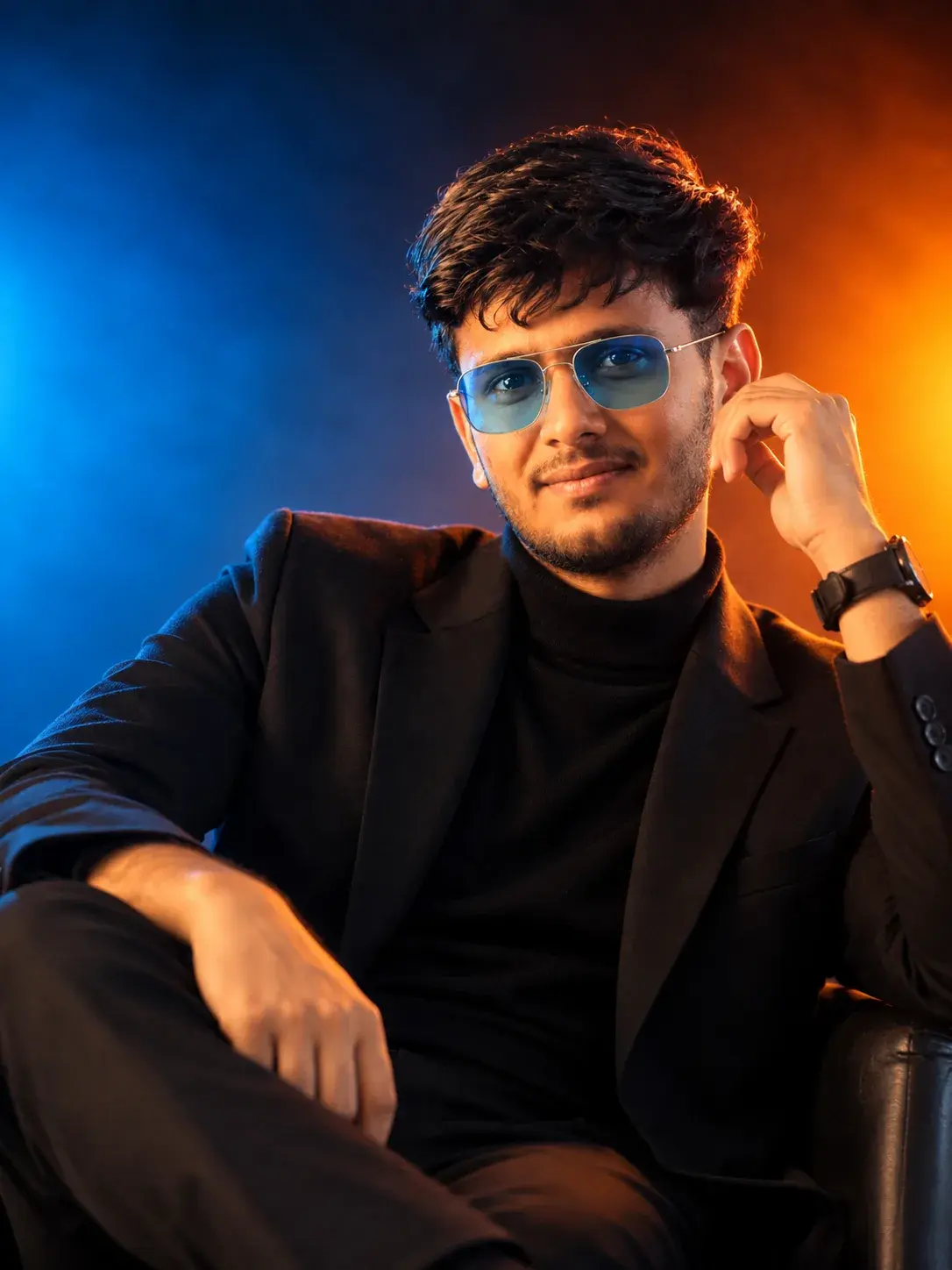
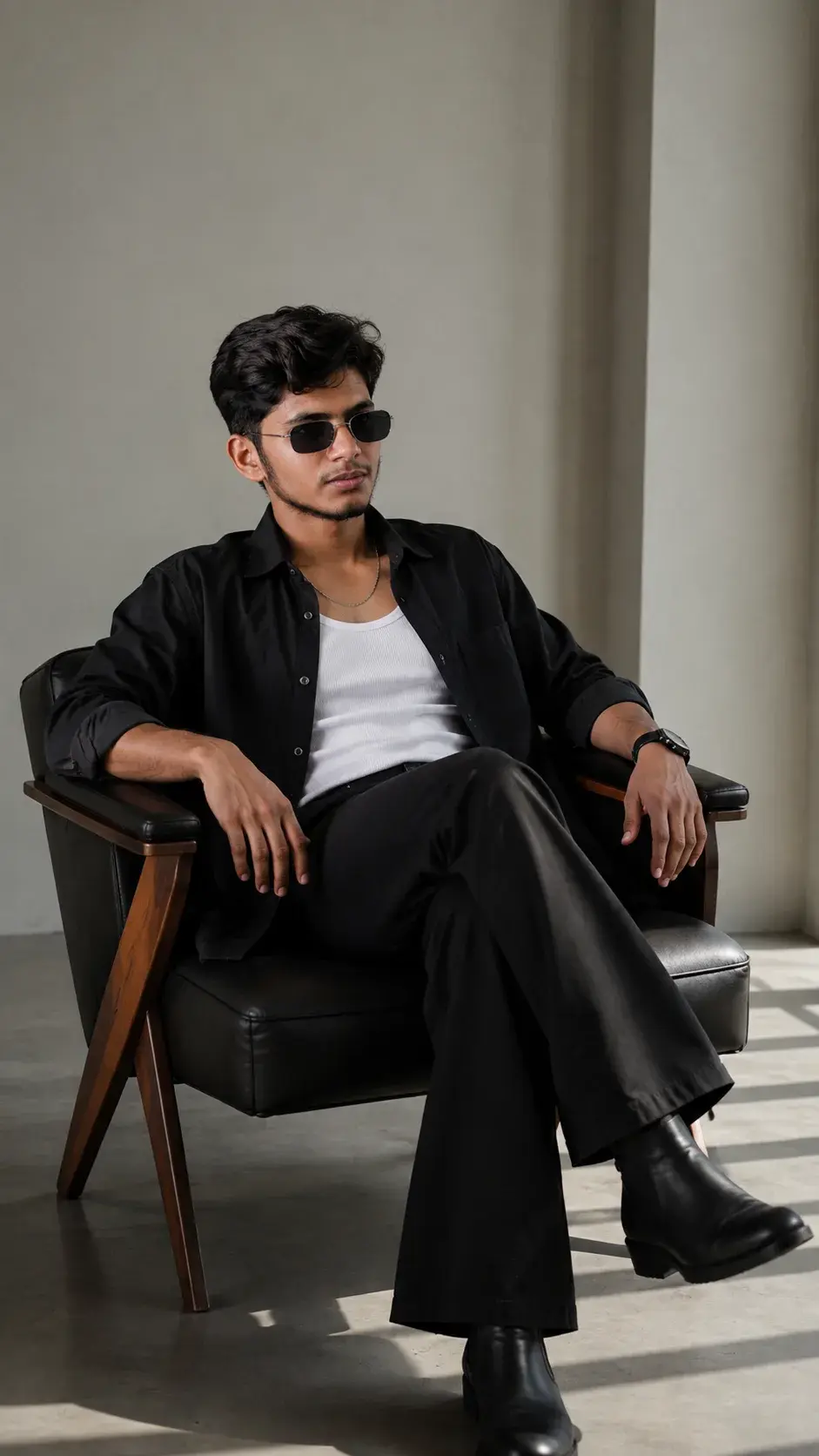
Use the uploaded personal photo as the PRIMARY and ONLY identity reference for the male subject, preserving his real recognizable identity exactly and naturally, including his authentic face shape, forehead, hairline, eyebrows, eye shape, eyelids, nose structure, cheeks, cheekbones, lips, chin, jawline, ears, natural facial asymmetry, skin texture, and all distinctive facial characteristics. Use the uploaded reference image as the PRIMARY VISUAL REFERENCE and recreate its composition, pose, body language, camera perspective, environment, lighting, styling, color palette, and photographic realism while completely replacing the reference person's identity with the identity from the user's personal photo. Create an ultra-realistic high-end cinematic vertical fashion photograph of the user leaning casually against a glossy black luxury sports car in a bright modern automotive showroom or premium garage environment. The subject is centered prominently in the frame from approximately mid-thigh upward, with the black car occupying the lower and rear portion of the composition, its glossy bodywork, windows, roofline, reflections, and metallic details clearly visible. Reproduce the exact relaxed pose from the reference: torso upright with a subtle natural lean against the vehicle, both arms raised above and behind the head, both hands naturally placed into the hair as if casually adjusting or running fingers through it, elbows extended outward and upward creating a strong symmetrical fashion silhouette. Preserve realistic shoulder rotation, elbow bending, wrist angles, finger placement, forearm anatomy, torso posture, hip position, and weight distribution. The hands must look naturally connected to the arms with correct anatomy and realistic fingers, joints, tendons, and skin compression. The head is slightly bowed forward and tilted downward, with the chin lowered toward the chest and the face partially obscured by loose strands of hair falling naturally across the forehead and eyes; reproduce the subdued, introspective, effortlessly stylish expression and downward eye direction of the reference. The user's real facial identity must remain recognizable beneath the reference pose and hair; do not substitute the reference person's facial structure. The head, neck, shoulders, and torso must form one physically connected anatomical structure, with natural neck compression and subtle skin folds created by the downward head tilt, never a distorted or disconnected neck. Recreate the hairstyle concept from the reference—voluminous dark, slightly tousled, naturally textured hair with loose strands falling toward the forehead—while adapting the exact hairstyle naturally to the user's own hair characteristics and identity rather than copying another person's identity. Dress the user in a premium soft pale-pink long-sleeve button-up shirt with a relaxed fashion fit, sleeves naturally rolled or pushed slightly upward around the forearms, several upper buttons left open, revealing a tasteful portion of the upper chest and a subtle layered necklace, paired with tailored black trousers and a black belt with a clean metallic rectangular buckle. Preserve realistic shirt construction, buttons, collar, folds, creases, fabric tension around the shoulders and elbows, natural draping around the waist, and physically accurate interaction between clothing and body. Add understated masculine accessories consistent with the reference styling, such as a refined wristwatch and minimal bracelets, while keeping them realistic and proportional. If the user's personal photo already contains distinctive accessories, preserve identity-critical characteristics but prioritize the reference outfit and styling. The environment should resemble a premium modern car showroom or high-end garage with bright architectural surfaces, large blurred red-and-white automotive or architectural panels in the background, soft gray structural elements, and subtle reflections, while keeping the background secondary and strongly defocused. The black luxury car behind and beneath the subject should have realistic glossy paint, crisp but naturally softened reflections, dark tinted glass, visible roof and side-window geometry, and believable showroom reflections; do not add recognizable logos, text, watermarks, or brand names. Reproduce the reference's bright high-key daylight/indoor lighting: strong soft frontal and upper light illuminating the pink shirt and skin, gentle highlights along the hair, shoulders, forearms and car body, subtle shadows beneath the chin and arms, controlled contrast, slightly warm natural skin rendering, and realistic reflected light from the vehicle. Maintain physically accurate lighting across the face, neck, arms, clothing, and car. The camera should reproduce the reference's portrait perspective and framing, approximately eye/chest-level with a slightly compressed professional portrait look, natural perspective, moderate telephoto characteristics around 50–85mm full-frame equivalent, shallow depth of field, sharp focus on the user, and smooth optical background separation. Preserve the vertical composition, centered subject placement, generous upper framing around the raised arms and hair, and lower framing showing the waist, belt, trousers, and substantial portion of the black vehicle. Create authentic professional DSLR/mirrorless photography rather than an AI-generated appearance, with realistic 4K-level detail, natural pores and skin texture, individual hair strands, realistic eyes, lips, hands, fingers, fabric fibers, jewelry, car reflections, subtle lens falloff, natural bokeh, accurate shadows, and realistic depth. Match the reference's overall color treatment with pale pink and black dominating the foreground, bright neutral whites and grays in the environment, deep glossy blacks from the vehicle and trousers, moderate contrast, clean highlights, restrained saturation, cinematic fashion-editorial grading, and realistic skin tones. Preserve the reference's effortless luxury-fashion mood: sophisticated, confident, slightly mysterious, relaxed, masculine, stylish, candid rather than posed like a studio model. Do not beautify or redesign the user's face, do not make him resemble the reference person, celebrity, actor, influencer, or another model, and do not change his recognizable identity. Do not create a generic AI face, plastic skin, waxy skin, excessive facial smoothing, exaggerated muscles, oversized head, tiny neck, distorted shoulders, unnatural body proportions, disconnected head, floating face, pasted face, frontal face incorrectly placed on a tilted head, incorrect head orientation, incorrect eye direction, crossed eyes, malformed hands, extra fingers, missing fingers, fused fingers, broken wrists, distorted elbows, unnatural arms, warped torso, elongated limbs, unrealistic clothing, impossible fabric folds, damaged anatomy, artificial neck lines, deep neck cracks, scars, wounds, stretched rubber-like skin, fake bokeh, digital cutout edges, hair halos, excessive HDR, oversharpening, excessive saturation, orange skin, artificial whitening, CGI, cartoon, anime, illustration, low resolution, blur on the main subject, noise, compression artifacts, AI glitches, text, captions, logos, watermarks, or unwanted objects. The final result must look like a real photograph of the user naturally captured in this exact luxury fashion scene, with the user's identity preserved while the pose, styling, environment, camera, lighting, composition, and visual character closely match the uploaded reference image.












%22%2F%3E%3Cpath%20d%3D%22M24%2011L34%2015V23C34%2029.5%2029.7%2035.3%2024%2037C18.3%2035.3%2014%2029.5%2014%2023V15L24%2011Z%22%20fill%3D%22%23FFFFFF%22%20fill-opacity%3D%220.15%22%20stroke%3D%22%23FFFFFF%22%20stroke-width%3D%221.8%22%20stroke-linejoin%3D%22round%22%2F%3E%3Cpath%20d%3D%22M19%2024L22.5%2027.5L29%2020.5%22%20stroke%3D%22%23FFFFFF%22%20stroke-width%3D%222.2%22%20stroke-linecap%3D%22round%22%20stroke-linejoin%3D%22round%22%2F%3E%3Cdefs%3E%3ClinearGradient%20id%3D%22bg_shield%22%20x1%3D%220%22%20y1%3D%220%22%20x2%3D%2248%22%20y2%3D%2248%22%20gradientUnits%3D%22userSpaceOnUse%22%3E%3Cstop%20stop-color%3D%22%23059669%22%2F%3E%3Cstop%20offset%3D%221%22%20stop-color%3D%22%2310B981%22%2F%3E%3C%2FlinearGradient%3E%3C%2Fdefs%3E%3C%2Fsvg%3E "Vivek Sharma portrait")